
TPO Roofing
TPO is a common low-slope membrane option for commercial and other compatible roofs. Seam quality, flashing details, attachment and drainage are central to long-term performance.
Low-slope roofs depend on drainage, seams, flashings and penetrations working together. All About Roofing & Construction provides flat and low-slope roof repair, replacement and system guidance for businesses, additions, garages and other properties across Clovis and Eastern New Mexico.
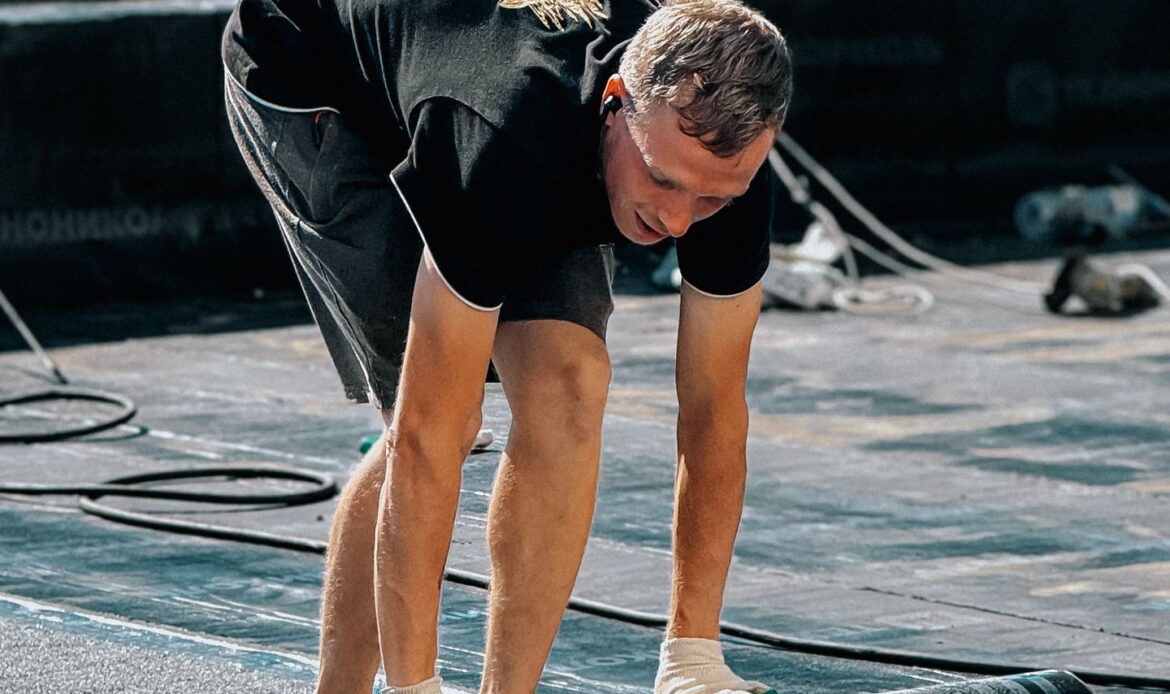
Flat roofing is really low-slope roofing. The roof may look level from the ground, but the assembly should still direct water toward drains, scuppers or roof edges instead of allowing it to sit indefinitely.
That makes details especially important. Seams, wall transitions, equipment curbs, vents, drains, skylights and roof edges all have to stay watertight while the roof expands, contracts and weathers.
We evaluate what is already on the roof, where water is moving, where repairs have been made and how the building is used before recommending another patch or a larger roofing project.
Different low-slope assemblies solve different problems. Substrate, drainage, existing layers, roof traffic, penetrations and long-term ownership plans all matter.
TPO is a common low-slope membrane option for commercial and other compatible roofs. Seam quality, flashing details, attachment and drainage are central to long-term performance.
EPDM is another established membrane system used on many low-slope roofs. The complete assembly, seams and termination details matter as much as the membrane itself.
Modified-bitumen systems can fit certain roofs where a reinforced asphalt-based assembly makes sense. Existing conditions and installation method should guide the decision.
Some low-slope roofs still have useful service life. Targeted repairs or compatible restoration work may make more sense than immediate full replacement when the assembly allows it.
Not every system is appropriate for every roof. We recommend materials and installation approaches only after evaluating the actual building and roof assembly.
Low-slope roof leaks are often tied to transitions and drainage rather than one obvious hole in the middle of the roof.
Water that remains after storms can stress seams, flashings and weak areas and can signal a drainage or slope problem.
Seams and laps can separate, wrinkle or deteriorate and deserve careful inspection when leaks appear.
Tools, service work and repeated foot traffic can damage membrane surfaces around equipment and access paths.
HVAC curbs, pipes, vents and other penetrations create transitions where movement and sealant failure can let water in.
High winds can stress perimeter metal, wall flashings and terminations, especially where details are already loose or aged.
Eastern New Mexico sun and heat can accelerate aging in exposed roofing materials, coatings, sealants and repair areas.
A broad membrane surface can look perfectly fine while a wall transition, drain, curb or roof edge is allowing water underneath the system. That is why low-slope troubleshooting has to follow the water path instead of stopping at the first visible symptom.
Have Us Look at the Roof →The right decision depends on how localized the failure is, the condition of the membrane and substrate, the age of the roof, the number of prior repairs and whether drainage problems are contributing.
Clovis roofs face intense sun, high winds, hail, dust and wide temperature swings. On a low-slope roof, those conditions can show up as membrane movement, stressed seams, damaged edges, surface aging and drainage problems.
We look at the full roof assembly and details that are most exposed to Eastern New Mexico conditions instead of treating every leak as the same problem.
Storm & Hail Damage Roofing →Interior water can travel before it becomes visible. Our process begins on the roof and follows the assembly logically.
Review the roof surface, drains, seams, flashings, edges and penetrations.
Compare visible roof conditions with interior symptoms and water pathways.
Explain whether repair, restoration or replacement best fits the condition we find.
Define the work, materials and details that need to be addressed.
Perform the approved work and review the finished roof and work area.
Tell us what you are seeing and what kind of property you have. We will start with the roof, explain the options that fit, and give you a clear next step.
Call 575-218-0303The best answer often depends on the roof assembly, drainage and the condition underneath the surface.
Usually not. Low-slope roofs should still direct water toward drains, scuppers or roof edges. When water remains for long periods, the drainage design and roof condition deserve a closer look.
Common low-slope systems can include TPO, EPDM, modified bitumen and other compatible assemblies. The right choice depends on substrate, slope, drainage, penetrations, existing roofing and the way the building is used.
Often, yes. If the failure is localized and the surrounding roof remains serviceable, a targeted repair may be appropriate. Multiple recurring leaks or widespread deterioration can change that recommendation.
Some water may remain briefly after a storm, but persistent ponding deserves evaluation. It can indicate drainage, slope or structural conditions that put extra stress on the roof system.
Yes, flat and low-slope roofing is commonly used on commercial buildings. We also evaluate compatible low-slope roofs on additions, garages and other residential or mixed-use structures.
High winds can stress roof edges, terminations, flashings and loose materials. The complete assembly and perimeter details matter when evaluating a low-slope roof in Clovis.
We look at leak frequency, membrane condition, seams, drainage, substrate concerns, age and prior repairs. The goal is to recommend the smallest scope that responsibly addresses the actual roof condition.